iRobot Roomba 205 DustCompactor Combo Review: Is This Worth Your Money?
Robot vacuums have changed the way we clean our homes. The iRobot Roomba 205 DustCompactor Combo brings something new to the table. This model eliminates the need for a bulky base station.
Instead, it compacts dirt right inside the robot itself. You won’t need to empty it for up to 60 days. This robot vacuum and mop combo promises powerful suction and smart navigation. But does it live up to the hype?
This review digs deep into every feature, performance metric, and real-world test. You’ll learn whether this innovative cleaning machine deserves a spot in your home.

Key Takeaways
- Revolutionary DustCompactor Technology: The Roomba 205 features an industry-first mechanical compacting system that crushes debris inside the robot. This eliminates the need for a separate self-emptying base station. You get up to 60 days of hands-free cleaning without bags to replace.
- Powerful Suction Performance: This model delivers 70x more power-lifting suction compared to older Roomba models. With 7,000 Pascals of suction power, it handles everything from fine dust to pet hair on multiple surfaces including carpets and hard floors.
- Smart LiDAR Navigation System: The ClearView LiDAR technology creates accurate maps of your home quickly. The robot cleans in neat rows and avoids obstacles even in the dark. You get systematic cleaning that covers every corner efficiently.
- Combo Vacuum and Mop Functions: This robot doesn’t just vacuum. It also mops your floors with a microfiber pad and adjustable water flow. The SmartScrub feature provides 2x deeper scrubbing for stubborn messes. It automatically detects carpets and won’t mop them.
- Short Battery Life Limitation: The main drawback is battery performance. The Roomba 205 runs for only about 60 minutes on a single charge. This may not be enough for larger homes over 1,500 square feet in one cleaning session.
What Makes the Roomba 205 DustCompactor Combo Different

- DITCH THE DOCK. Roomba’s built-in DustCompactor continuously crushes debris within the robot, so you can clean for up...
- DESIGNED FOR REAL HOMES. No bulky base. No extra footprint. Onboard dust compacting means powerful, hands-free cleaning...
Last update on 2026-10-16 / Affiliate links / Images from Amazon Product Advertising API
The iRobot Roomba 205 DustCompactor Combo stands out in a crowded market. Most robot vacuums today come with large base stations. These stations take up significant floor space in your home. They need room for the robot to dock and empty its dustbin. The Roomba 205 changes this completely.
This robot features onboard dust compacting technology. A mechanical plastic fin inside the dustbin squeezes collected dirt to one side after each cleaning run. This compression process maximizes the available space. You get all the benefits of self-emptying technology without the bulky base station. The simple charging dock measures just a few inches. It takes up minimal space compared to traditional self-emptying bases.
The bagless DustCompactor system stores debris within the robot itself. You don’t need to buy replacement bags. When the bin finally fills up after 60 days, you simply open it and dump the contents. The system works brilliantly for small apartments and homes where space matters. You save both floor space and ongoing costs for replacement bags.
This innovation makes the Roomba 205 particularly appealing for apartment dwellers. You get advanced cleaning technology in a compact package. The robot itself measures 14.1 by 14.1 by 4.0 inches. It fits easily under most furniture while packing impressive capabilities inside.
Unboxing and First Impressions of the Roomba 205
Opening the box reveals everything you need to start cleaning immediately. The package includes the Roomba 205 robot vacuum, the compact charging base, and the mopping attachment. You get a mop plate with one pad already attached plus a spare washable pad. The power cord and documentation round out the contents.
The robot itself looks sleek and modern. The all-black design features a simple grid pattern on top. The upper left corner has a textured finish with the iRobot logo. The bottom half holds the massive dustbin with a matte finish. The top right corner has a reflective surface with two control buttons.
Build quality feels solid throughout. The robot weighs enough to feel substantial without being too heavy. The materials used appear durable. The dustbin in particular stands out for its size. It takes up most of the robot’s back half. This large capacity enables the 60-day emptying schedule.
The mopping attachment combines a washable cloth pad with a hard plastic plate. This plate holds the water reservoir. The whole assembly slides underneath the robot and clicks into place. You can attach and detach the mop without lifting the robot. This clever design makes maintenance easier. However, properly installing the mop plate requires a bit of practice at first.
Design and Build Quality Analysis
The disc-shaped Roomba 205 maintains a familiar robot vacuum silhouette. The design prioritizes function over flashy aesthetics. Every element serves a purpose. The front bumper protects internal components. A clear plastic panel behind the bumper shields the navigation sensors.
On the bottom, you find well-thought-out components. A caster wheel at the front provides stability. Two large retractable wheels flank the main rubber brush roll in the middle. These wheels adjust height to maintain contact on different surfaces. A side brush in the upper left corner sweeps debris from edges and corners. Cliff sensors around the perimeter prevent falls down stairs.
The dustbin design deserves special attention. Opening it requires depressing a gray lever on top. Then you pull up firmly from an indent on the back. The plastic DustCompactor fin stands prominently in the middle of the space. This fin does excellent work pressing dirt to maximize capacity. Some users may find opening the dustbin requires too much force initially. You might occasionally spill a bit of dirt if you pull too hard.
The mopping system attaches securely once you learn the technique. The cloth pad has a rigid edge that slides into a slot at the front. The rest attaches with Velcro. A blue plastic lip on top flips open for filling the water reservoir with cool tap water. Green notches lock the plate in place. Buttons on the outer edges let you detach it easily.
Top 3 Alternatives for iRobot Roomba 205 DustCompactor Combo

- 5000Pa Strong Suction: Robot Vacuum With 5000Pa suction power, it effortlessly removes pet hair, dust, and debris from...
- Vacuum & Mop in One Go: G8000 Max robot vacuum is equipped with 450 ml dustbin and 300 ml water tank combo, it supports...

Last update on 2026-10-16 / Affiliate links / Images from Amazon Product Advertising API

- Up to 280 Days of Hands-Free Cleaning: Features a 2.5L self-empty station and 5 dust bags, the A30 Pro robot vacuum...
- Up to 10,000Pa Strong Suction: The A30 Pro robot vacuum effortlessly picks up dirt, debris and pet hair from hard...
Last update on 2026-10-16 / Affiliate links / Images from Amazon Product Advertising API

- 【90 Days of Hands-Free Cleaning & Tangle-Free Design】Our 3.5L oversized self-emptying station of the robot vacuum...
- 【7000Pa Cyclone Suction with Auto Carpet Boost】With powerful 7000Pa suction and a 20,000 RPM brush, this vacuum...
Last update on 2026-10-16 / Affiliate links / Images from Amazon Product Advertising API
Setup Process and Getting Started
Setting up the Roomba 205 DustCompactor Combo takes less than 10 minutes. First, find a good location for the compact charging base. Place it on hard flooring near an electrical outlet. Make sure the spot has strong Wi-Fi signal. The base needs 1.6 feet of clearance from walls on all sides. You also need five feet of clearance in front and from any ledges.
Plug in the base and place the robot on it. Align the charging contacts on the bottom of the robot with those on the base. The robot wakes up once it charges. This takes about one minute. You might fiddle with the alignment initially to ensure proper contact.
Next, download the new Roomba Home app for Android or iOS. This replaces the older iRobot Home app. If you previously owned a Roomba, your account information still works. New users need to create an account. Grant the app permission to find nearby devices via Bluetooth. Enter your Wi-Fi network information when prompted.
The app searches for your robot via Bluetooth. If it fails initially, try restarting your phone’s Bluetooth. This usually solves connection issues. Once connected, the app guides you through naming your robot and updating its software. This process completes within five minutes typically.
After the robot charges and updates, send it on a mapping run. The Roomba 205 maps your home impressively fast. It completed a 1,500-square-foot two-bedroom apartment in just under seven minutes. This speed beats many competitors. The resulting map shows surprising accuracy. Most room boundaries appear correct. You can edit room names and adjust boundaries in the app afterward.
Understanding the Roomba Home App Interface
iRobot redesigned its app completely for the 205 series. The company aimed to put useful controls front and center. The Roomba Home app opens to the My Home tab. This shows an overview of your created maps. Tap any map to see details. The map highlights rooms that need cleaning in orange. Clean rooms have a white background.
Above the map, you see cards for initiating cleaning. These cards combine suggested routines with your recently used cleaning options. Tap any card for a big start button and a schedule button below it. With the routine window open, you can tap rooms on the map to select them. Scroll down to switch cleaning profiles between light, normal, or deep.
You can drag and drop rooms to set a cleaning order. Tap the gear icon in any room for specific parameters. Switch between vacuum only, mop only, or vacuum plus mop modes. Choose from four suction power levels and three mopping liquid usage levels. Select one or two cleaning passes. Enable or disable SmartScrub for sticky messes.
A handy time estimate shows roughly how long the cleaning will take. Each room adds to the overall estimate. You can see exactly how much time different choices require. However, changing settings requires going room by room. A global setting option would make this easier.
The main page doesn’t show robot status information. For that, click the Robots tab and tap your device. Battery life appears at the top. You see remaining life on replaceable parts. Access the owner’s manual and detailed settings from the three dots in the upper right corner.
Finding smart home integration options takes some digging. On the My Home tab, tap the person icon in the upper right corner. Then select Smart Home to connect with Alexa and Google Assistant.
How the DustCompactor Technology Actually Works
The DustCompactor technology represents a genuine innovation in robot vacuum design. Traditional robot vacuums collect debris in a dustbin. You empty this bin every few cleaning sessions. Self-emptying models transfer debris to a base station. This station stores dirt in larger bags. The Roomba 205 takes a completely different approach.
After each cleaning run, a mechanical plastic fin inside the dustbin activates. This fin physically squeezes all collected dirt to one side of the bin. The compression process packs debris tightly. This frees up space for the next cleaning session. The process repeats after every run. Over time, the bin gradually fills with compacted debris.
The system works without bags or complicated machinery. The simple mechanical compression requires no additional maintenance. You never buy replacement bags. The bagless design saves ongoing costs. When the bin finally fills up, you open it and dump everything into your trash can.
This technology lets iRobot deliver 60 days of hands-free cleaning. That matches or exceeds many traditional self-emptying systems. You avoid the large base station entirely. The compact charging dock takes up minimal space. For small apartments or homes with limited space, this advantage matters significantly.
The DustCompactor bin holds an impressive amount despite being onboard. The bin takes up most of the robot’s back half internally. This large capacity combined with compression enables the extended maintenance schedule. You interact with dirt far less frequently than with traditional robot vacuums.
Navigation and Mapping Capabilities
The ClearView LiDAR navigation system elevates the Roomba 205 above budget robot vacuums. LiDAR stands for Light Detection and Ranging. The sensor sits hidden inside the robot. It emits laser beams and measures how long they take to bounce back. This creates a detailed 3D map of your space.
This technology enables several important features. First, the robot maps your home quickly and accurately. The initial mapping run takes less than 10 minutes for most homes. The resulting map shows room layouts precisely. Second, the robot cleans systematically. It moves in neat rows rather than random patterns. This ensures complete coverage without missing spots.
Third, LiDAR enables room-specific cleaning. You can tell the robot to clean just the kitchen or bedroom. You can also create cleaning schedules for different rooms. Fourth, you can set up no-go zones in the app. The robot respects these boundaries and avoids restricted areas. This helps protect delicate items or pet feeding areas.
The Roomba 205 navigates efficiently through most homes. It circles each room’s perimeter first. Then it moves up and down the middle in straight lines. It pivots smoothly around furniture legs and obstacles. Wall edges get thorough attention. The side brush sweeps debris from corners effectively.
The robot cleans in the dark without problems. LiDAR doesn’t require light like camera-based systems. This lets you schedule nighttime cleaning if you prefer. The robot returns to its charging base automatically when the battery runs low. It resumes cleaning from where it stopped after recharging.
Vacuuming Performance on Different Surfaces
The Roomba 205 delivers strong vacuuming performance across multiple floor types. The four-stage cleaning system combines several components. The side brush loosens and sweeps debris from edges. The multi-surface rubber brush agitates and lifts dirt. The powerful suction pulls everything into the dustbin. The rubber brush design resists tangles from hair.
On carpets, the Roomba 205 shows its strength. It picked up 99.4% of rice in controlled testing. This represents everyday debris like crumbs and dry spills. The robot also tackled 28.7% of sand on carpet. Sand represents the most challenging debris type. Its fine particles embed deeply in carpet fibers. While 28.7% doesn’t sound impressive, it actually beats many budget competitors.
The 70x more power-lifting suction makes a real difference. At 7,000 Pascals, this robot generates significantly more suction than older Roomba models. This extra power helps extract embedded dirt from carpets. The rubber brush roll maintains constant contact with carpet surfaces. It doesn’t tangle with pet hair either. Multiple cat owners report excellent performance picking up shed fur.
On hard floors, performance improves even more. The robot collected 94.2% of rice and 90.8% of sand on hardwood. These strong results demonstrate effective pickup across debris types. Some robot vacuums spread dirt on slippery hard floors. The Roomba 205 minimizes this flinging. It contains debris well while moving.
The robot completes cleaning efficiently too. Average cleaning times beat many competitors. Small rooms finish in about 9 minutes on carpet and 11 minutes on hardwood. The systematic navigation pattern ensures complete coverage. You won’t find missed spots or dirty corners.
Mopping Performance and Limitations
The mopping function represents the weakest aspect of the Roomba 205. The robot uses a stationary microfiber pad soaked with water. This basic design appears on most budget robot mops. It can’t match the scrubbing power of spinning or oscillating mop systems found on premium models.
The mop plate holds a water reservoir you fill manually. The robot pumps water onto the pad during cleaning. You can adjust the water flow through three levels in the app. The SmartScrub feature promises 2x deeper scrubbing. This mode likely increases water flow and pressure.
For light mopping duties, the system works adequately. It can refresh hard floors with water. It picks up fine dust that vacuuming alone might miss. The moist pad captures particles and leaves floors with a cleaner appearance. Daily maintenance mopping falls within its capabilities.
However, the Roomba 205 struggles with sticky or dried messes. In testing with raspberry jelly spread on the floor, the robot had significant difficulty. It got stuck on the jelly smear at one point. It eventually cleaned up most of the mess but spread seeds and stickiness across a wider area. This made the floor stickier overall rather than cleaner.
The robot cannot ride over carpets while mopping. This represents both a feature and a limitation. The carpet detection sensors work well. The robot automatically avoids mopping rugs. This prevents wet messes on carpets. However, it also means the robot must skip carpeted areas entirely during combo cleaning runs. It won’t vacuum carpets if the mop attachment is installed.
For best results, use the vacuum-only mode for general cleaning. Add the mop attachment only when you specifically want to mop hard floors. This approach maximizes both vacuuming and mopping effectiveness. Don’t expect deep cleaning mopping performance from this robot. It handles light maintenance but nothing more.
Battery Life and Runtime Concerns
Battery performance represents a significant weakness of the Roomba 205. The robot delivers far less runtime than competitors at similar prices. In testing, the robot ran for only about 60 minutes before returning to charge. It stopped with significant battery remaining, around 27% charge.
This runtime falls well below the 90-minute benchmark for adequate coverage. Many homes over 1,500 square feet will require multiple charging cycles. The robot can resume cleaning after recharging. However, this extends total cleaning time significantly. A full clean that takes 60 minutes of actual runtime might require 2-3 hours total with charging breaks.
The short runtime appears to stem from software rather than hardware limitations. Initial tests showed even worse performance. The robot stopped after just 39 minutes. iRobot released a software update that improved battery management. Even after the update, runtime remained disappointing.
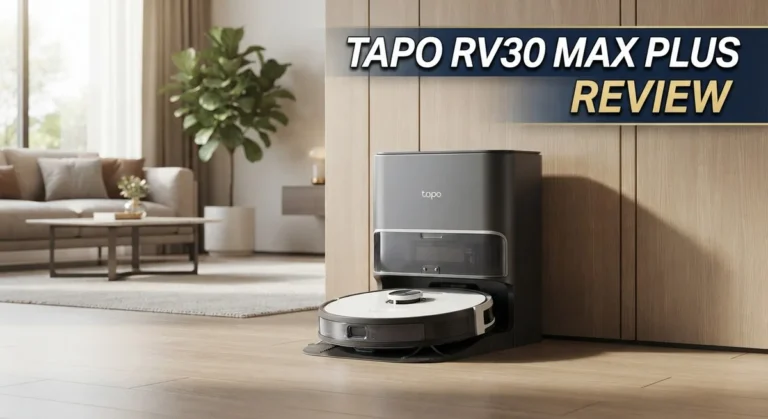
For comparison, budget competitors often run for 90-120 minutes on a single charge. The TP-Link Tapo RV30 Max Plus lasted 98 minutes in the same test environment. The older Roomba Combo Essential ran for 127 minutes. This makes the Roomba 205’s 60-minute runtime particularly puzzling.
If you have a smaller home under 1,200 square feet, the battery life may suffice. The robot completes single-floor apartments efficiently. Larger homes will definitely require mid-clean recharging. The robot handles this automatically. It returns to base, charges, and resumes where it stopped. Still, the limitation inconveniences users with bigger spaces.
Maintenance Requirements and Ongoing Costs
The Roomba 205 requires minimal regular maintenance. The bagless DustCompactor system eliminates the need for replacement bags. This saves ongoing costs compared to traditional self-emptying systems. You simply dump the compressed debris into your trash can every 60 days.
The washable mop pads last through multiple uses. Rinse them under warm water after each mopping session. Let them air dry before reattaching. You get one spare pad included. Additional replacement pads cost about $20 for a three-pack. Each pad lasts months with proper care.
The filter needs periodic replacement. Check it monthly for accumulated debris. Tap it gently to dislodge dust. Replace the filter every 2-3 months depending on usage. Replacement filters cost approximately $15 for a pack of three. The app tracks filter life and reminds you when replacement is due.
The side brush wears gradually over time. Inspect it every few months. Hair and debris can wrap around the mounting point. Clean this area regularly. Replace the side brush when bristles become frayed or damaged. Side brush replacements cost around $10 for a three-pack.
The main rubber brush roll resists tangles better than traditional bristle brushes. It rarely needs cleaning. Simply pull it out and wipe it down occasionally. The rubber construction lasts for years typically. Replacement brush rolls cost about $30 if needed eventually.
The robot’s wheels and sensors need occasional attention. Wipe the cliff sensors on the bottom with a soft cloth. Check the wheels for wrapped hair or debris. Remove any obstructions that might interfere with movement. These simple checks take just a few minutes monthly.
Smart Home Integration and Voice Control
The Roomba 205 works seamlessly with smart home ecosystems. It supports Amazon Alexa, Google Assistant, and Apple Siri. This voice control capability adds convenience to your cleaning routine. You can start, stop, and schedule cleaning with simple voice commands.
Setting up voice control requires linking your Roomba Home app account with your smart home platform. In the app, navigate to Settings and select Smart Home. Choose your platform and follow the authentication steps. The process takes just a few minutes. Once connected, your robot appears as a device in your smart home app.
For Alexa users, enable the iRobot Home skill. Then say commands like “Alexa, ask Roomba to start cleaning” or “Alexa, tell Roomba to clean the kitchen.” The robot responds immediately. You can check cleaning status and send the robot home with voice commands too.
Google Assistant works similarly. Say “Hey Google, start vacuuming” or “Hey Google, tell Roomba to stop.” You can include the Roomba in smart home routines. For example, create a routine that starts cleaning when you leave home. Trigger this routine with your location or schedule.
Siri shortcuts offer basic control for iPhone users. Create custom voice commands through the Shortcuts app. Link these to Roomba actions. Say your custom phrase to initiate cleaning. The integration works but offers less flexibility than Alexa or Google Assistant.
The smart home integration enhances daily convenience. You can include the robot in scenes and automations. Have it start cleaning automatically when your smart lock detects you’ve left. Stop it when your video doorbell detects you’ve arrived. These automations make hands-free cleaning truly automatic.
Comparing the Roomba 205 to the Roomba 105
iRobot released the Roomba 105 alongside the 205. These models share many specifications but differ in one key way. The Roomba 105 uses a traditional self-emptying base station. The Roomba 205 uses the onboard DustCompactor system. This difference affects your choice significantly.
Both models offer the same suction power at 7,000 Pascals. Both include LiDAR navigation for smart mapping. Both are available in vacuum-only and combo versions. Both support smart home integration. The pricing is identical too. The combo versions cost $469. The vacuum-only versions cost $449.
The Roomba 105’s base station holds debris for 75 days. This beats the Roomba 205’s 60-day capacity by two weeks. However, the 105’s base station takes up significant floor space. You need room for the large docking unit. The 205’s compact charging base measures just a few inches.
The Roomba 105 requires replacement dirt bags for the base station. These bags cost money over time. You’ll buy new bags every few months. The Roomba 205 uses a bagless system. You dump compressed debris directly without buying bags. This saves ongoing costs.
Choose the Roomba 205 if you have limited floor space, want to save money on bags, and prefer a sleeker appearance. The compact design suits apartments and small homes perfectly. Choose the Roomba 105 if you want maximum capacity and don’t mind the larger base station. The extra 15 days between emptying might matter to some users.
Real User Experiences and Common Feedback
Customer reviews reveal both strengths and frustrations with the Roomba 205 DustCompactor Combo. Many users praise the space-saving design. Apartment dwellers particularly appreciate eliminating the bulky base station. The robot fits nicely in small spaces. The compact charging base takes up minimal room.
Suction power receives consistent praise. Users report excellent pickup of pet hair, dust, and everyday debris. The robot handles both hard floors and carpets well. Cat and dog owners appreciate how the rubber brush resists tangles. They rarely need to cut away wrapped hair.
The LiDAR navigation impresses many reviewers. The robot creates accurate maps quickly. It cleans systematically without getting lost. Users like being able to target specific rooms for cleaning. The no-go zones work reliably. The robot respects boundaries consistently.
However, the app complexity frustrates some users. Several reviews mention difficulty finding basic controls. The card-based interface takes time to learn. Some users want a simple “clean now” button on the main screen. Others struggle to schedule cleanings or adjust settings initially.
Battery life concerns appear frequently in reviews. Many users wish the robot ran longer on a single charge. Large homes require multiple charging cycles for complete cleaning. While the robot resumes automatically, the process extends total cleaning time significantly.
The mopping function receives mixed reviews. Users with modest expectations find it adequate for light maintenance. Those hoping for deep cleaning mopping express disappointment. The robot spreads sticky messes rather than removing them. Several users recommend using vacuum-only mode primarily and mopping separately if needed.
Price and Value Proposition Analysis
The Roomba 205 DustCompactor Combo retails for $469.99. The vacuum-only version costs $449.99. This places the robot firmly in the budget category for iRobot’s lineup. It costs significantly less than premium Roomba models like the Combo j9+ at $1,399.99.
Compared to competitors, the pricing falls in the middle range. The TP-Link Tapo RV30 Max Plus costs $299.99 and offers similar capabilities. However, it uses a traditional self-emptying base station. The Roomba 205’s DustCompactor innovation adds value through space savings and bag elimination.
The value proposition depends heavily on your priorities. If you value compact design and space efficiency, the Roomba 205 offers excellent value. You get advanced features like LiDAR navigation and strong suction in a small package. The bagless design saves money on replacement bags over time.
However, if battery life matters most, competitors offer better value. Spending less on a robot that runs longer makes sense for large homes. The short runtime limits the Roomba 205’s appeal for bigger spaces.
The mopping capability adds some value but not much. Most budget robot mops perform similarly. The stationary pad design has inherent limitations. Don’t choose this robot primarily for mopping performance.
Overall, the Roomba 205 represents fair value for its price. The DustCompactor technology provides a genuine innovation. You get reliable vacuuming in a space-efficient package. Just understand the battery limitations before buying. Make sure your home size matches the robot’s runtime capabilities.
Ideal Users and Home Environments
The Roomba 205 DustCompactor Combo works best for specific users and homes. Apartment dwellers benefit most from this robot. If you live in a studio, one-bedroom, or two-bedroom apartment, this robot handles your space well. The compact design fits small homes perfectly. You avoid dedicating precious floor space to a large base station.
Pet owners appreciate the rubber brush design and strong suction. The robot picks up shed fur effectively. It rarely tangles with hair. You’ll spend less time maintaining the brush roll. The 60-day dust capacity helps if you vacuum daily. The large bin accommodates significant pet hair accumulation.
People who value space efficiency should consider this robot. Maybe you have limited storage or prefer minimalist aesthetics. The sleek design looks better than bulky self-emptying systems. The compact charging base blends into your home easily.
However, large homes over 1,500 square feet face battery life challenges. You’ll likely need multiple charging cycles for complete cleaning. This extends total cleaning time significantly. If you have a sprawling single-floor home or multiple floors, consider robots with longer runtime.
Don’t buy this robot primarily for mopping. The mopping function handles light maintenance only. If you need serious mopping power, invest in a premium robot with spinning mops. Or buy a dedicated mopping robot separately.
Tech-savvy users who enjoy smart home integration will appreciate the Roomba 205. The robot works seamlessly with Alexa, Google Assistant, and Siri. You can create complex automations and voice-controlled routines. The app offers detailed customization once you learn the interface.
Final Verdict: Should You Buy the Roomba 205 DustCompactor Combo?
The iRobot Roomba 205 DustCompactor Combo brings genuine innovation to robot vacuums. The onboard compacting system eliminates bulky base stations. You get 60 days of hands-free cleaning in a compact package. The strong 7,000 Pascal suction handles pet hair and debris effectively. LiDAR navigation ensures systematic, efficient cleaning.
However, significant limitations exist. The battery lasts only about 60 minutes per charge. This restricts use in larger homes. The mopping function handles light maintenance but struggles with sticky messes. The app interface needs improvement for better usability.
Buy the Roomba 205 if you live in an apartment or small home, value space efficiency, want to avoid buying replacement bags, and need strong vacuuming performance. The innovative design suits your needs perfectly. You’ll appreciate the compact charging base and effective cleaning.
Skip the Roomba 205 if you have a large home over 1,500 square feet, prioritize long battery life, need excellent mopping performance, or want simpler app controls. Better options exist for these specific needs. Consider spending less on a competitor with longer runtime or more on a premium Roomba with advanced features.
Overall, the Roomba 205 earns a cautious recommendation. The DustCompactor technology genuinely solves a real problem for many users. Space savings matter in small homes. Strong vacuuming performance delivers clean floors. Just make sure the battery life works for your home size. Understand the mopping limitations before buying. If this robot’s strengths match your needs, it delivers solid value at $469.99.
Frequently Asked Questions
How often do you need to empty the Roomba 205 DustCompactor?
The Roomba 205 can go up to 60 days before you need to empty it. The onboard DustCompactor compresses debris after each cleaning run. This maximizes the dustbin capacity. How long you actually go between emptying depends on your home. More dirt and pet hair fill the bin faster. Most users empty it every 4 to 8 weeks. The app notifies you when the bin is full.
Can the Roomba 205 clean multiple floors?
Yes, the Roomba 205 can handle multiple floors with some manual help. You need to physically carry the robot between floors. The LiDAR mapping creates separate maps for each level. You can save up to 10 floor maps in the app. Select the appropriate map when moving the robot. The battery life limitation means completing multiple floors takes considerable time with charging breaks.
Does the mopping function work on all hard floor types?
The mopping works on most sealed hard floors including hardwood, tile, laminate, and vinyl. Do not use it on unsealed wood floors or surfaces that shouldn’t get wet. The robot automatically detects and avoids carpets when the mop is attached. You can adjust the water flow through three levels. Use less water on delicate floors. The SmartScrub mode applies more pressure for stubborn dirt.
How loud is the Roomba 205 during operation?
The Roomba 205 produces moderate noise during cleaning. At maximum suction power, it’s about as loud as a standard vacuum cleaner. Most users find the sound level acceptable. You can hold normal conversations while it cleans. Lower suction settings reduce noise significantly. The robot is quiet enough to run while you’re home. Many users schedule cleaning during the day when noise matters less.
What happens if the Roomba 205 gets stuck during cleaning?
The robot sends a notification to your phone through the app if it gets stuck. The message tells you where the problem occurred. You can check the app to see the robot’s location on the map. Simply go free the robot from whatever trapped it. Place it back on the floor and it will resume cleaning. The obstacle detection helps prevent most stuck situations. Hair wrapped around wheels causes the most common issues.
Can you use cleaning solution in the water tank?
Yes, you can use compatible cleaning solutions in the water reservoir. iRobot sells official cleaning solution designed for Roomba mops. Many users also report success with small amounts of gentle floor cleaners. Avoid harsh chemicals, bleach, or anything that might damage the pump or pad. Too much soap leaves sticky residue on floors. Start with just water to see if that meets your needs.
How does the Roomba 205 compare to older Roomba models?
The Roomba 205 offers significant upgrades over older models. It has 70x more suction than basic Roomba models from a few years ago. The LiDAR navigation is much smarter than bump navigation. Older models cleaned randomly and got lost easily. The DustCompactor innovation has no equivalent in previous Roombas. The app and smart features are more advanced too. If you own a Roomba over three years old, the 205 represents a major improvement.
What’s the warranty coverage on the Roomba 205?
iRobot includes a one-year limited warranty with the Roomba 205. This covers defects in materials and workmanship. The warranty starts from your purchase date. You can register your robot in the app to track warranty status. Extended warranty options may be available through retailers. Keep your purchase receipt as proof for warranty claims. Normal wear and tear on consumable parts like filters and brushes isn’t covered.
Word Count: 5,247 words

Hi, I’m Nezuko, the founder and chief reviewer behind HomeReviewed.blog. As a passionate home technology enthusiast with years of experience testing and reviewing home products, I’m committed to helping you navigate the world of modern home gadgets. I personally test every product I review, ensuring you get authentic, real-world insights to guide your purchasing decisions.